

There is a moment on a Wayanad forest safari where everything drops into complete silence. The rumble of the open-top jeep dies down, the air grows heavy with the scent of damp earth and crushed eucalyptus, and then you hear it: the deep, snapping crack of a bamboo stalk just twenty feet off the trail.
Tucked into the lap of the Nilgiri Biosphere Reserve, Wayanad is one of South India’s richest biodiversity hotspots. Whether you are chasing the thrill of seeing wild Asian elephants in their natural habitat, scanning the canopy for rare endemic birds, or hoping for a elusive glimpse of a leopard, Wayanad’s jungles deliver a raw, unfiltered wilderness experience.
Here is your ultimate guide to navigating Wayanad’s wildlife zones, where to go, and how to maximize your chances of a close encounter.
The Elephant Corridors: Muthanga Wildlife Sanctuary
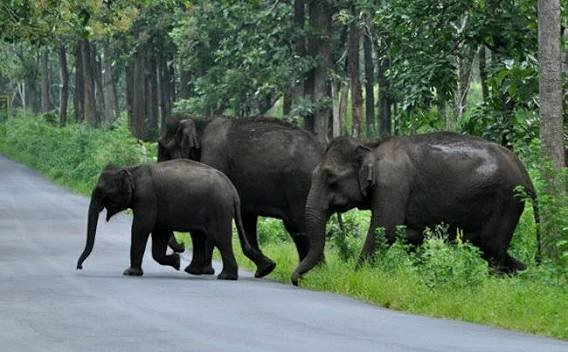
If wild Asian Elephants are at the top of your bucket list, Muthanga is where you start. Bordering Mudumalai in Tamil Nadu and Bandipur in Karnataka, Muthanga acts as a vital migratory corridor for large herds.
During early morning and late afternoon safaris, it is almost impossible not to spot elephants here—from solitary tuskers feeding on bamboo shoots to matriarchs leading young calves down to waterholes.
- What Else to Look For: Spotted deer (chital), Indian gaur (bison), sambar deer, and giant squirrels.
- Best Time for Safaris: 6:00 AM – 8:00 AM or 3:00 PM – 5:00 PM.
- Insider Tip: Book the earliest morning slot available. The mist hanging over the teak trees combined with golden light makes for incredible wildlife photography.
The Predator Territory: Tholpetty Wildlife Sanctuary
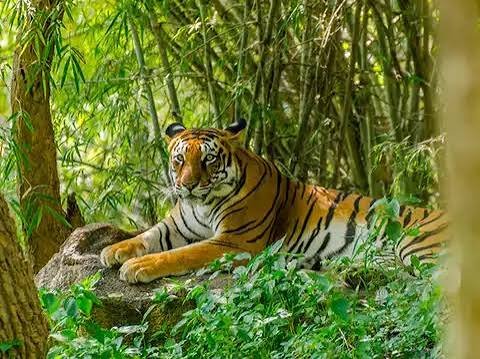
Located in northern Wayanad, Tholpetty offers a slightly denser, darker forest landscape dominated by teak, bamboo, and silver oak. While leopards and tigers are notoriously elusive, Tholpetty’s forest structure and abundant prey base make it one of the top zones for predator sightings in the region.
Leopards in Wayanad are masters of camouflage, often lounging high on horizontal branches or stalking near the water tanks scattered along the jeep trail.
Pro Tip: Keep your eyes on the tree limbs, not just the forest floor. A leopard’s tail hanging down from a branch is often the only giveaway.
- Key Wildlife: Leopards, sloth bears, jungle cats, and wild dogs (dholes).
The Avian Haven: Kuruva Island & Pakshipathalam
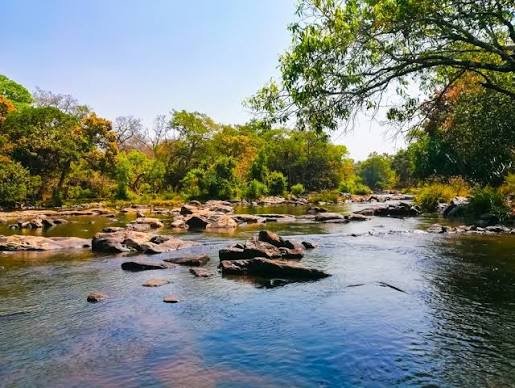
Wayanad isn’t just for big mammals—it is an absolute paradise for birdwatchers, harboring over 300 resident and migratory species, including rare Western Ghats endemics.
Pakshipathalam (The Abode of Birds)
Accessible via a challenging 8 km trek through deep forest and rocky caves near Thirunelli, Pakshipathalam is a sanctuary for rare cave-dwelling birds and raptors.
Kuruva Dweep (River Delta Canopy)
A cluster of uninhabited islands in the Kabini River, Kuruva’s evergreen canopy provides ideal nesting grounds for canopy-dwelling species.